Communication – Imagine U

This course centers around positioning one’s Future Orientation and training to have a Success Mindset by learning how to use social, emotional, and communication skills as a method to do so.
Forms of Communication

Click on any of the four communication sections below to learn more or scroll down to move through our communication course

Future Orientation

  • Future Awareness
  • Goals (for School, Work, and Life)
  • Planning
  • Expectations/Hopefulness

Success Mindsets

  • Growth Mindset
  • Persistence
  • Conscientiousness

Social and Emotional Skills

  • Identifying Emotions
  • Managing Emotions
  • Navigating Social Norms

Communication Skills

  • Oral Communication
  • Written Communication
  • Information Search Capabilities

Written Communication

1971 a study was done by Albert Mehrabian that is still referenced today in that only 7% of communication is written.  However and as we all know first-hand, written communication must be mastered. Students need to practice writing that is clear, concise and meaningful. They need to practice using proper sentence structure (subject/verb agreement), punctuation and proper work usage. How can we better integrate the fundamentals of writing in our programs is a question worth asking.

Note: Crossfit training – maximizing the amount of work done in the shortest time. The more work you do in less time, or the higher the power output, the more intense the effort. By employing a constantly varied approach to training, functional movements and intensity lead to dramatic gains in fitness.

Applications

  • Resumes & Cover Letters
  • Job Applications
  • Emails
  • Business Letters
  • Text Messages

Implications

  • Attention to Detail
  • First Impressions
  • Confidence Level
  • Professionalism

Video Clips: Ellen and Jimmy Fallon – “Old School vs. New School Technology”

These two clips show technology of yester-year and technology of today. The videos are pretty self explanatory but the key messages to take away are that technology is ever-changing and we must educate ourselves constantly to ensure it’s a helpful tool and not a harmful tool. The second take-away is that young people are the experts in new and emerging technology and we should see that as an asset to our programs as well as an asset in the workplace.

Verbal Communication

Verbal communication amounts to 38% of communication.  So crucial to help young people in this area. Some of the same mastery of the written language can be applied here, especially when we’re talking about grammar, subject/verb agreement; expressing a clear thought.

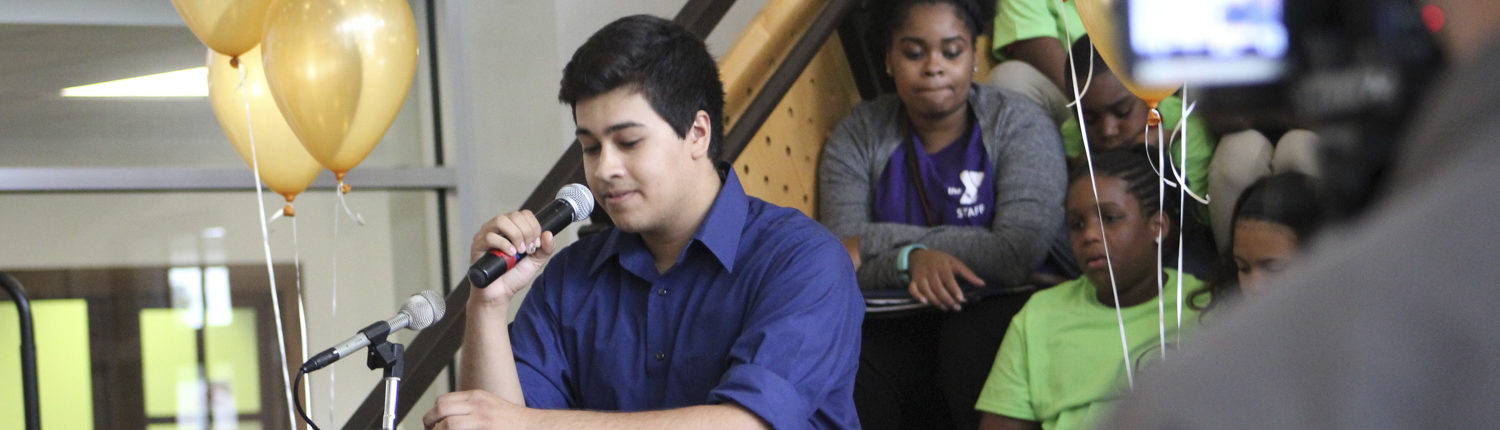
Public Speaking – Top rated fear of most adults as well as young people. It helps of course to be able to articulate your worth and skills in a job interview which we’re going to practice later. But having young people practice how to speak, pronounce and enunciate words in front of an audience can strengthen their confidence. Some assumptions that get made when   are they are uneducated or under-educated, they don’t make a good impression because they haven’t practiced their verbal communication skills enough to where, and verbal communication can enhance their level of professionalism especially if they have little to no work or life experiences in which to articulate.

Applications

  • Grammar
  • Public Speaking
  • Job Interviews

Implications

  • Assumptions about Level of Education
  • First Impressions
  • Confidence Level
  • Professionalism

Non-verbal Communication

Nonverbal communication is sending and receiving messages without a verbal code. According to a study that was done in 1971 by Albert Mehrabian, 55% of communication is consider nonverbal or body language.

Some examples of non-verbals are: dress, posture, gestures, facial expressions and eye contact. These are specific examples as it relates to employment but they can also relate to a classroom setting, any type of presentation or simply how a student walks into your out-of-school time space.

So in a job setting, a student would need to know the differences between professional, business casual and casual. Many of our kids don’t have that knowledge or may not even the wardrobe. But educating them on what’s appropriate will hopefully eliminate being judged before they even speak. Posture is important, even when students are in your settings.

Applications

  • Dress
  • Posture
  • Gestures
  • Facial Expressions
  • Eye Contact

Implications

  • Attention to Detail
  • Emotional State/Self-Confidence
  • First Impressions
  • Social Norms

Interpersonal Communication

Interpersonal communication is how people exchange messages and ideas face to face using verbal and nonverbal communication. So we’re talking about how people collaborate or team build, how they solve critical problems and networking. This can be done in a small or large group setting, publicly or privately. This skill is critical as well because young people need to know how to talk to adults in a way that they are taken seriously, right. So they must be able to convey a message or point of view and also be able to listen and offer feedback. So critical in the workplace.

Implications:  Do you have the confidence to speak out in a group setting? Are you being perceived as being anti-social or unapproachable because you haven’t verbal contributed to the conversation for one reason or another.

Creating small group discussions as part of your programming helps youth practice this skill. Now you may want to frame the conversation and give some rules of engagement. For instance if you’re asking your students to brainstorm on ideas for a T-shirt design you may ask them to be sure to listen intently, allow everyone to speak, don’t criticize anyone’s ideas but instead respect their right have them, etc.

Applications

  • Collaboration
  • Problem-solving
  • Networking

Implications

  • Confidence Level
  • Antisocial Behavior
  • Professionalism

Turn & Talk

So now you’re going to practice some interpersonal communication. I want for you all to turn and talk to your neighbor. Your conversation should be framed around these three questions. (7 mins)

  1. How do you use the four forms of communication in your programming? Give examples.
  2. Which form(s) of communication can you do a better job of integrating into your program?
  3. Describe which form(s) of communication in which you are most proficient.  What is your most preferred method in your personal and/or professional life?
Translate »